
Where memories are mountain made.
Where memories are mountain made.
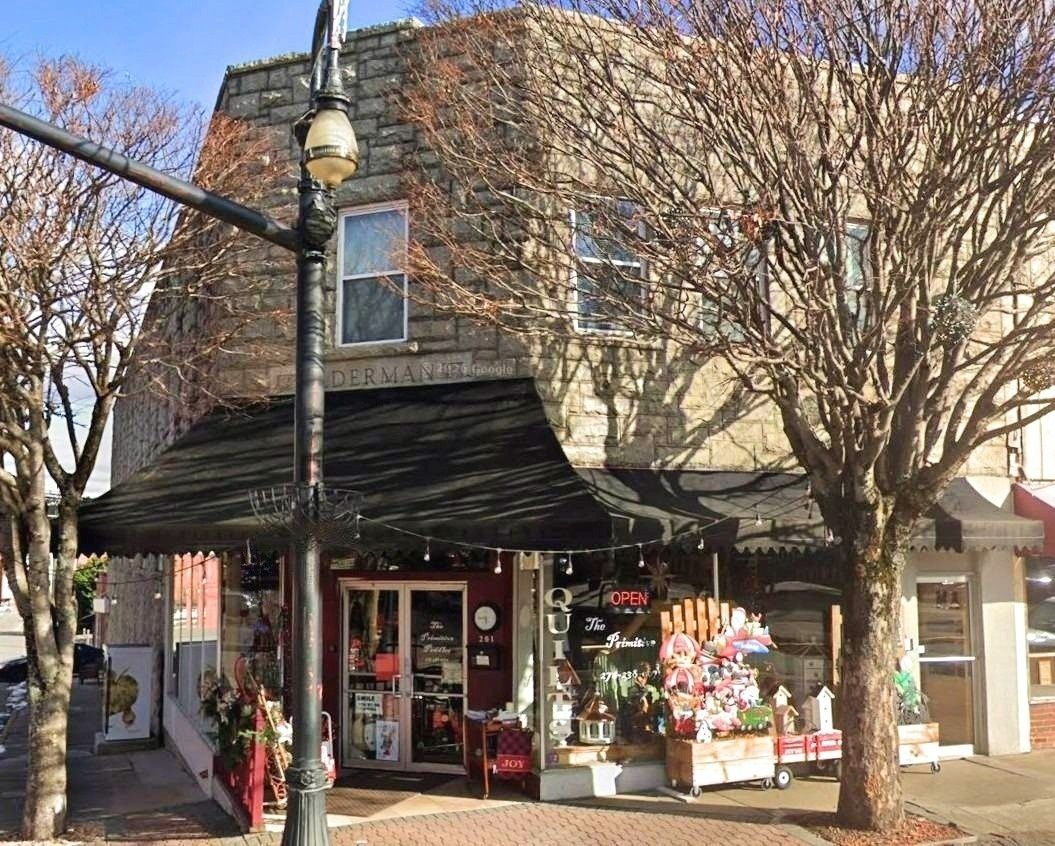


Galax Antique Stores: How to Find the Good Stuff

Galax Antique Stores: How to Find the Good Stuff

You step into the first of the Galax antique stores and nothing jumps out at you.
Shelves are full, booths run together, and glass cases hold smaller pieces that look like everything else you’ve seen. It’s easy to think you’ve seen the place in a minute and move on.
That’s a mistake.
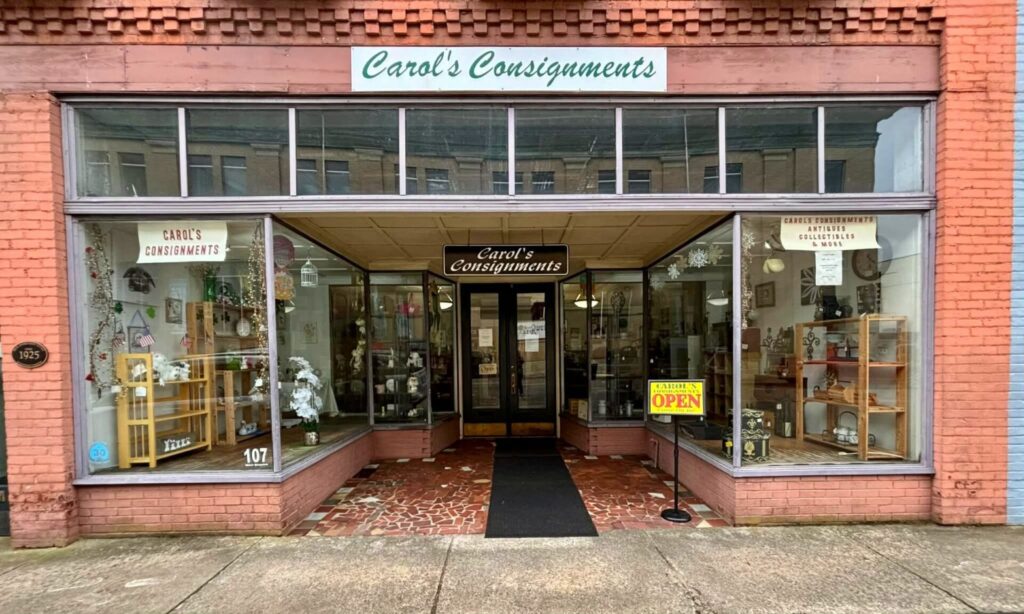
Galax antique stores don’t reward a quick pass. Most are set up as a series of dealer booths, each arranged by a different eye, with its own mix of objects and its own way of pricing them. What looks picked over at first glance often isn’t. It just hasn’t been seen yet.
Give it a second pass.
Slow down and let your eyes adjust. Look past the front edge of each booth and into the corners. The piece that brings you back to the counter is usually the one you didn’t notice the first time through.
How to Move Through Galax Antique Stores
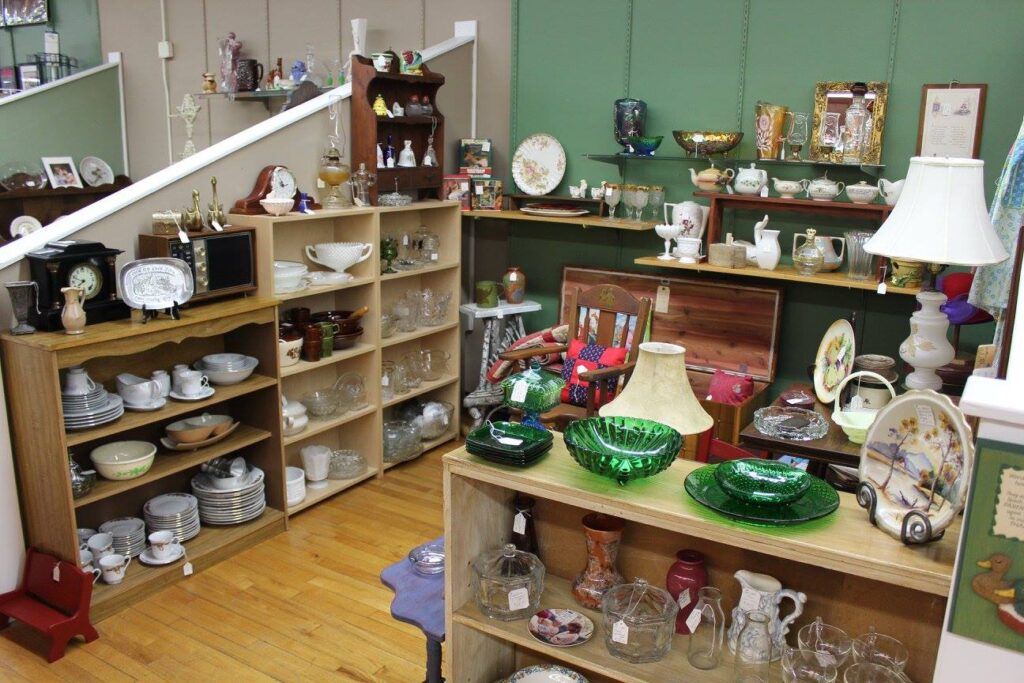
Start with a quick pass, but don’t trust it.
Walk the aisle once to get your bearings, then slow down for a second look. This is where things begin to separate. Your eyes adjust, and shapes that blended together start to stand on their own.
Change your angle.
Step into the booth instead of looking from the aisle. Get close to the shelves and take in what’s pushed to the back. Those pieces often sit there because they weren’t seen, not because they were passed over. Look along the top edges, then drop your eye level and check the bottom shelves. Good pieces end up in both places.
Open what can be opened.
Drawers, boxes, cabinets. Smaller items are often tucked inside larger ones, and it’s worth checking behind doors or under stacks. That’s how these places are meant to be worked.
Weight tells you more than a glance, and the underside often tells more than the top. Turn a piece over and you may find a mark, a repair, or a clue to how it was made.
Take your time, but keep moving.
If something holds your attention, note where it is and keep going. See the rest of the store, then come back with a clearer sense of what stands out. The first thing you pick up isn’t always the one you leave with.
What Tends to Show Up in Galax Antique Stores
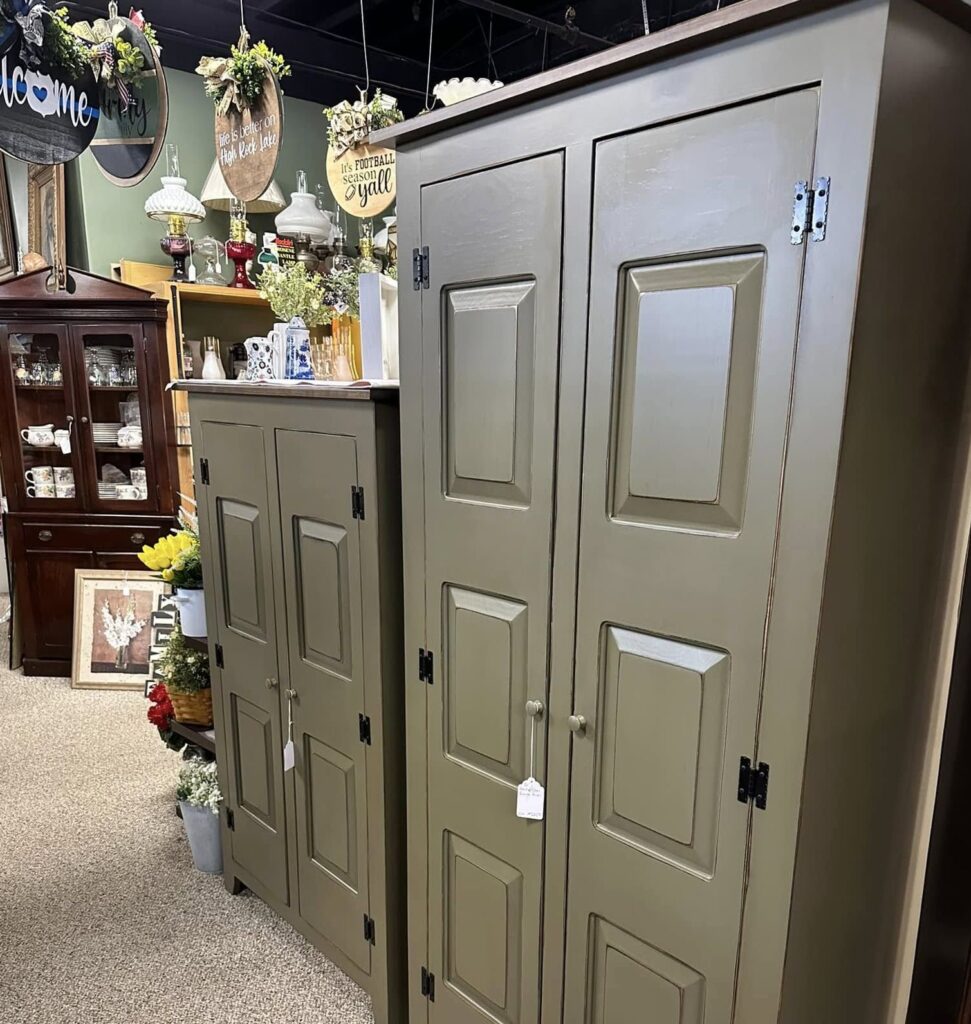
Spend enough time moving through these shops and certain patterns start to repeat.
Furniture shows up first, not formal pieces but the kind built to be used. Jelly cupboards, pie safes, dry sinks. Most are simple in design, often made from pine, cherry, or walnut, and they carry the wear you’d expect from a working household.
Music runs through the smaller items. Programs, ribbons, and recordings tied to the Old Fiddlers Convention surface from time to time, along with instruments that have been played rather than stored. These pieces don’t always stand out at first glance. You notice them when you slow down.
Textiles are easy to miss if you move too quickly. Quilts and woven coverlets are often folded or stacked, sometimes tucked into corners. Patterns repeat across decades, but the materials tell you more about where they came from.
Kitchen and farm pieces turn up in steady rotation. Canning jars, butter molds, hand-carved utensils, and the occasional large copper kettle. These are objects that stayed in use long after they were made, and it shows.
Every now and then, a local detail cuts through. A familiar shape, a pattern tied to the Galax leaf, something that connects the object to the place in a way that isn’t labeled but feels clear when you see it.
Moving Through Town
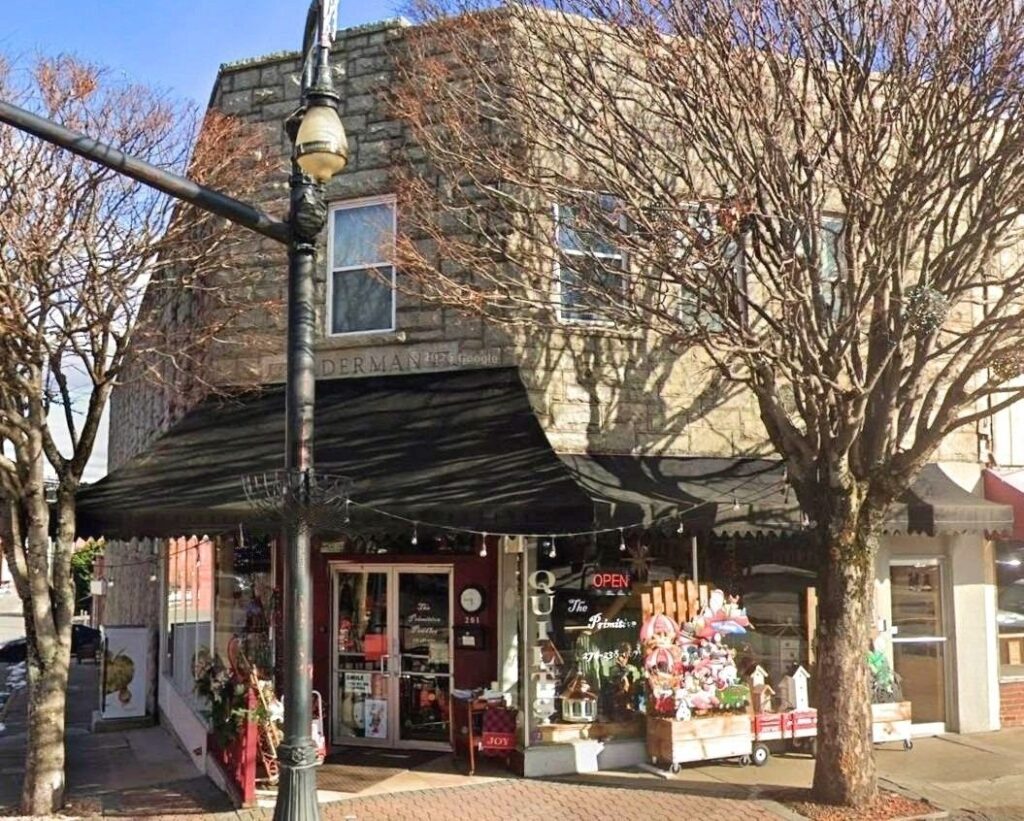
Most of the Galax antique stores sit close enough together that you don’t need a plan.
Park once and start walking, moving in and out of shops at your own pace. When your eyes start to tire, step outside, reset, and go back in. The rhythm takes care of itself.
You’re not covering distance. You’re working a small area, one shop at a time.
Give yourself the space to circle back. The piece you passed the first time has a way of showing up differently after you’ve seen everything else.
What the Hunt Rewards
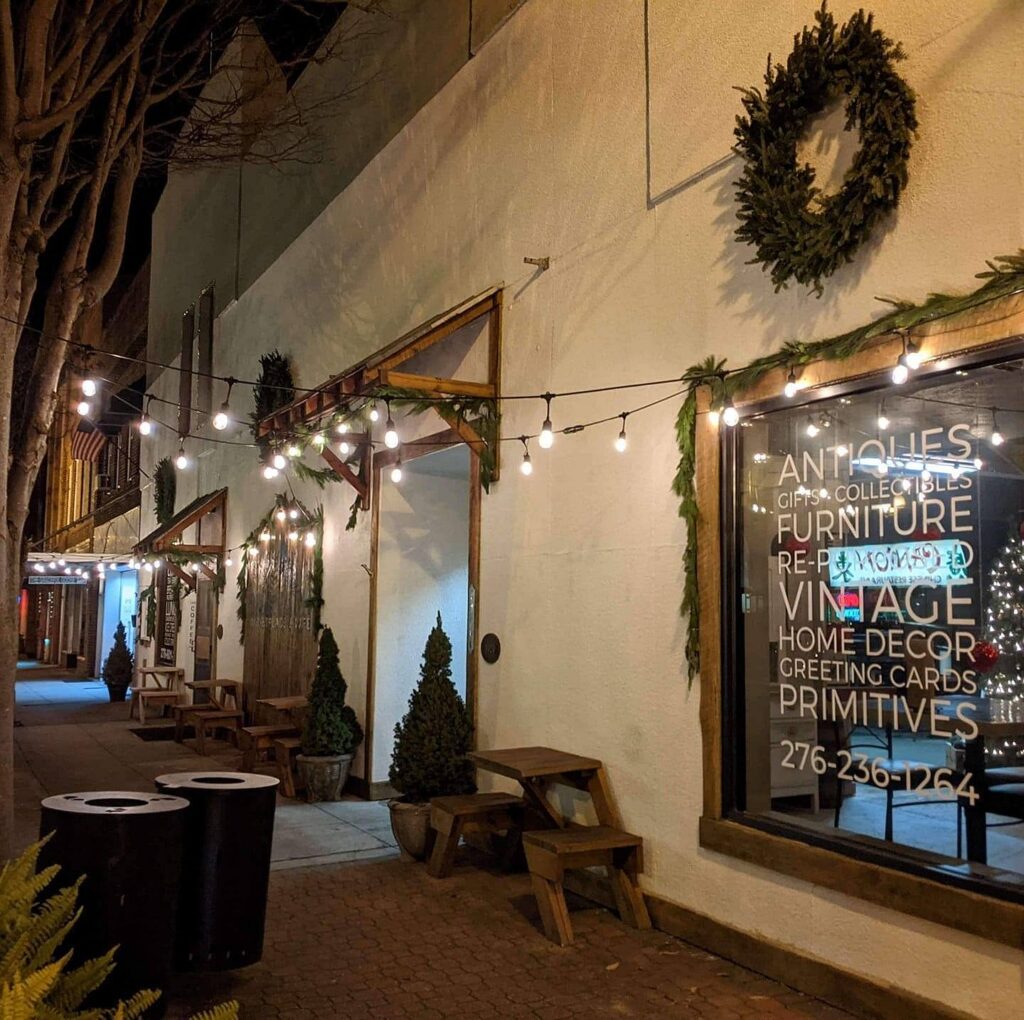
At the start, it all looked the same.
Shelves filled in, booths blurred together, and nothing stood out long enough to stop you.
Then something shifted.
You slowed down and looked again. You started noticing what was set back, what was tucked under, what didn’t match the rest. The shops didn’t change. The way you moved through them did.
That’s the reward.
You don’t need a rare find to make it worth the time. What matters is the moment something catches your eye and holds it. It might be a piece you recognize. It might be one you don’t. Either way, you saw it when you could have missed it.
That’s how these places work.
And once you learn to look that way, you don’t walk through them the same again.
Wayne Jordan is a Galax-based writer and storyteller. His Scots-Irish ancestors settled in the Blue Ridge Mountains in 1760, and he has deep roots there. The author of four books, Wayne is a retired Senior Editor for WorthPoint Corporation, a long-time columnist for Kovels Antique Trader Magazine, and a contributor to regional newspapers and travel publications. He blogs at BlueRidgeTales.com.

Galax Old-Time Mountain Music: Learned By Ear, Sung With Heart
He’s eleven, holding a mandolin that’s older than he is. The tune he’s picking is older still. In Galax, kids…
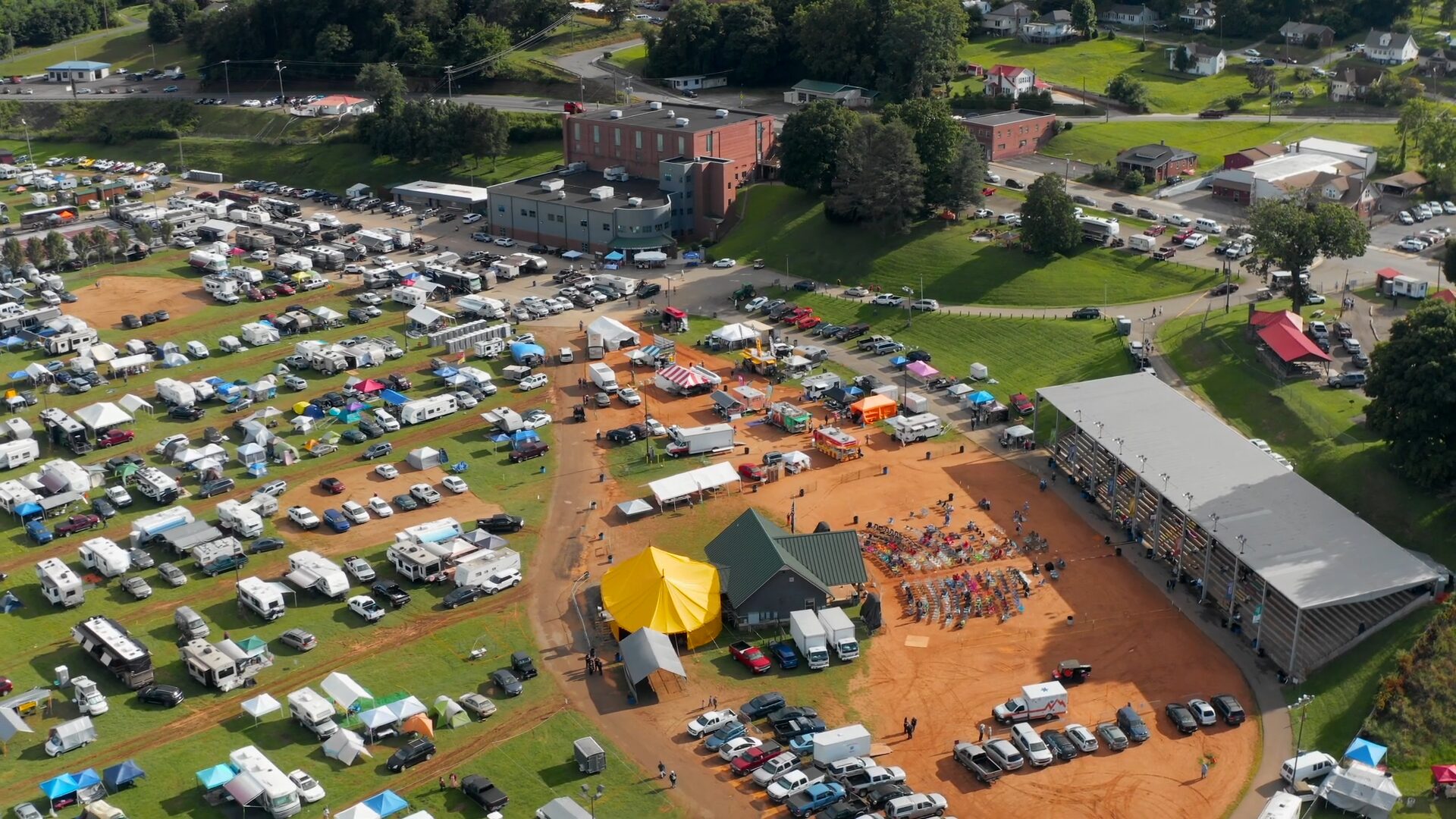
Felts Park: Where Galax Gathers to Celebrate
If you want to understand Galax, spend some time at Felts Park. It’s the kind of place that can feel…
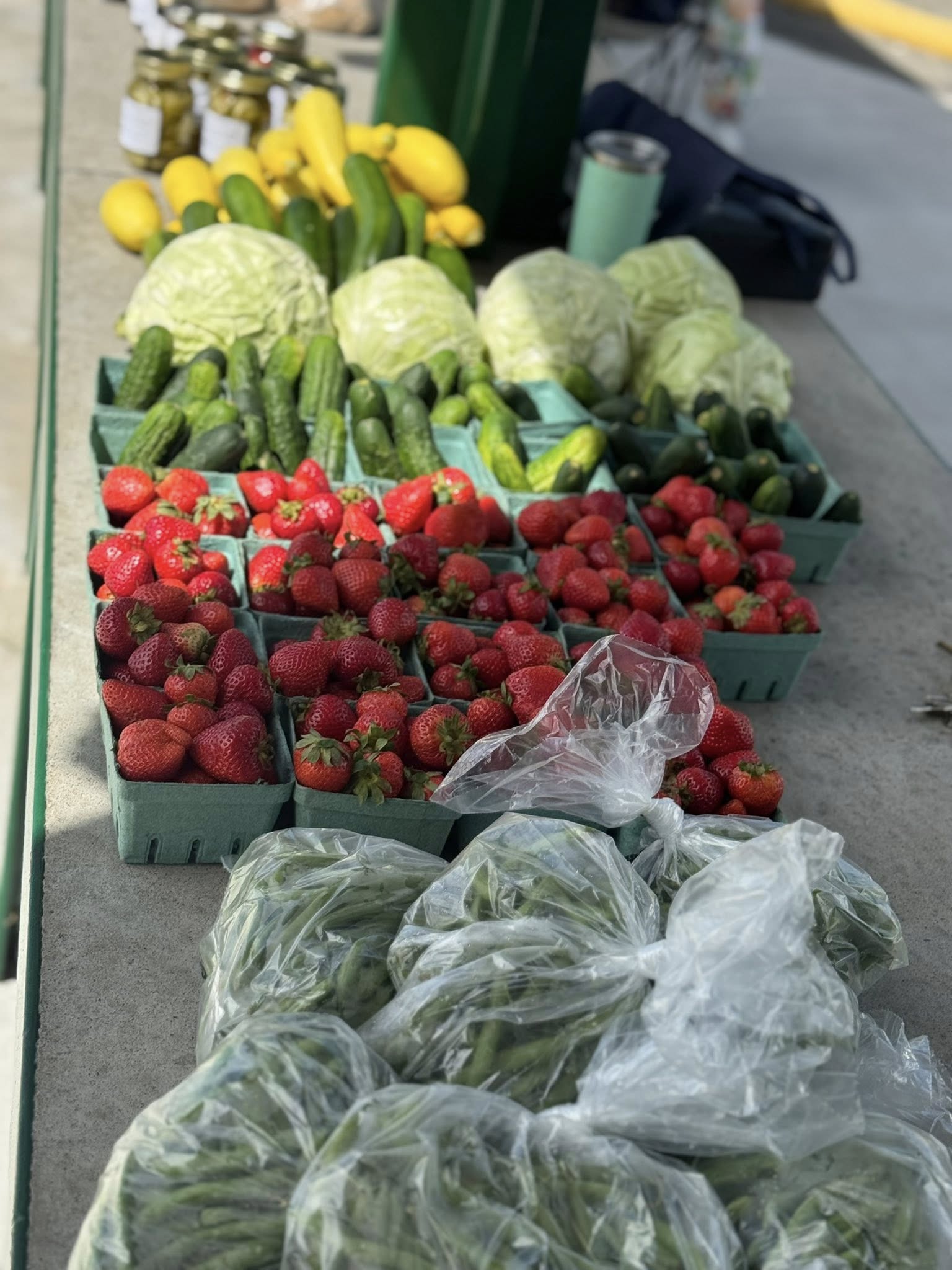
Galax Farmers Market: Local Food, Local Folks
For most Saturday morning patrons, the day starts with coffee from a food truck parked at the edge of the…

One Bag, No Car Keys: A Walkable Girls’ Weekend in Galax
Walkable girls’ weekends are best with a bit of spontaneity. No schedule to keep. A place where you can park…

Honoring Sacrifice: The Blue Ridge Veterans Memorial
Alongside the Galax Public Library stands the Blue Ridge Veterans Memorial. This distinctive landmark is a tribute to past and…
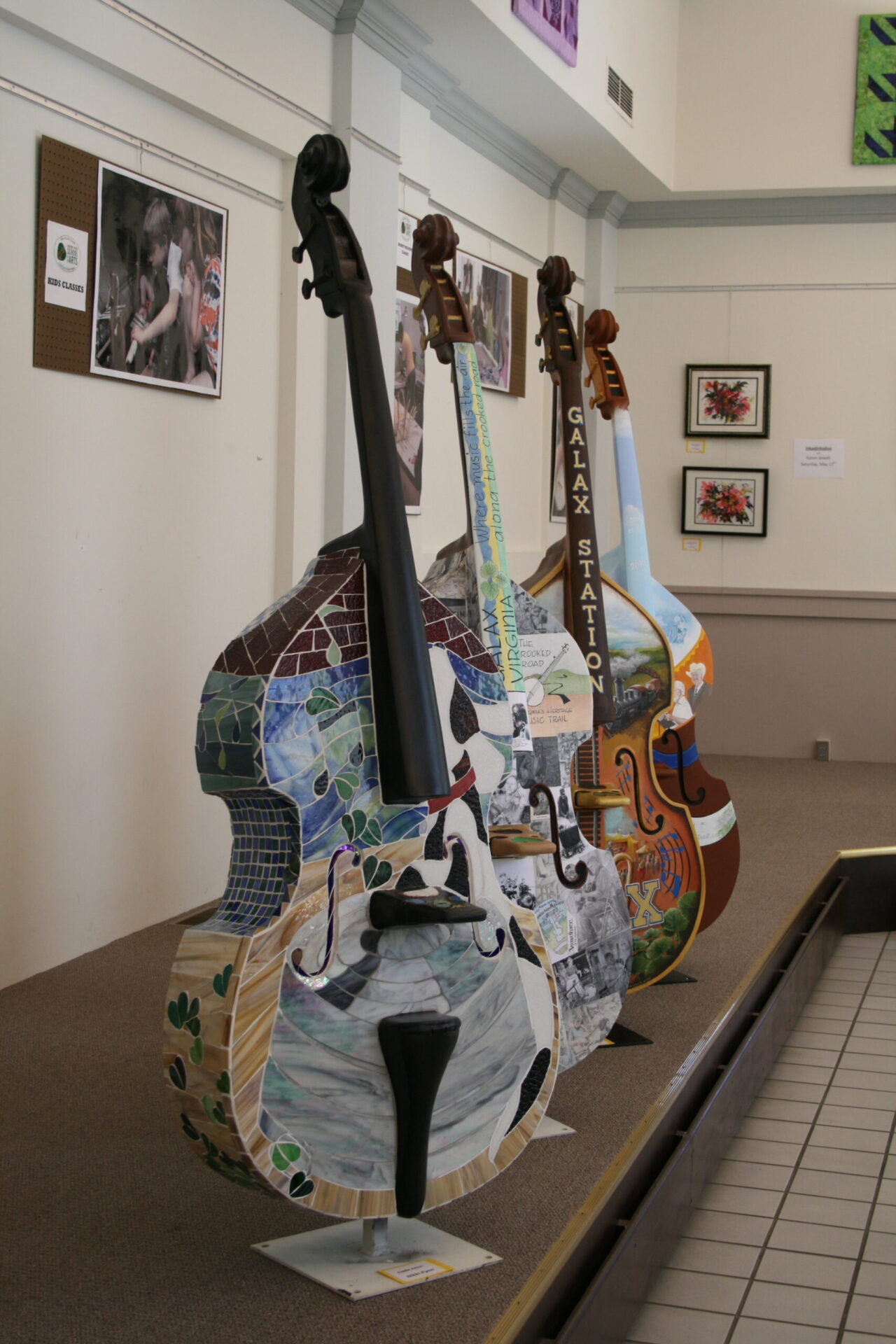
The Galax Bass Fiddles: Where Art Meets Heritage
Galax, VA, is often viewed through the lens of music. We’ve had a fiddler’s convention annually for nearly 90 years.…
Rainy Day Galax: Your Guide to Indoor Fun
Rain can change your plans, but it doesn’t have to ruin them—especially in Galax, Virginia. When the clouds roll in,…

Echoes in the Hills: Galax, Virginia’s Vibrant Music Scene
Entering Galax, VA, from either east or west, it’s clear that the town is serious about its music: the greeting…

Galax VA: Where Art Is For Everyone
Imagine yourself weaving through the heart of the Blue Ridge Mountains to a place where the air pulses with creativity…
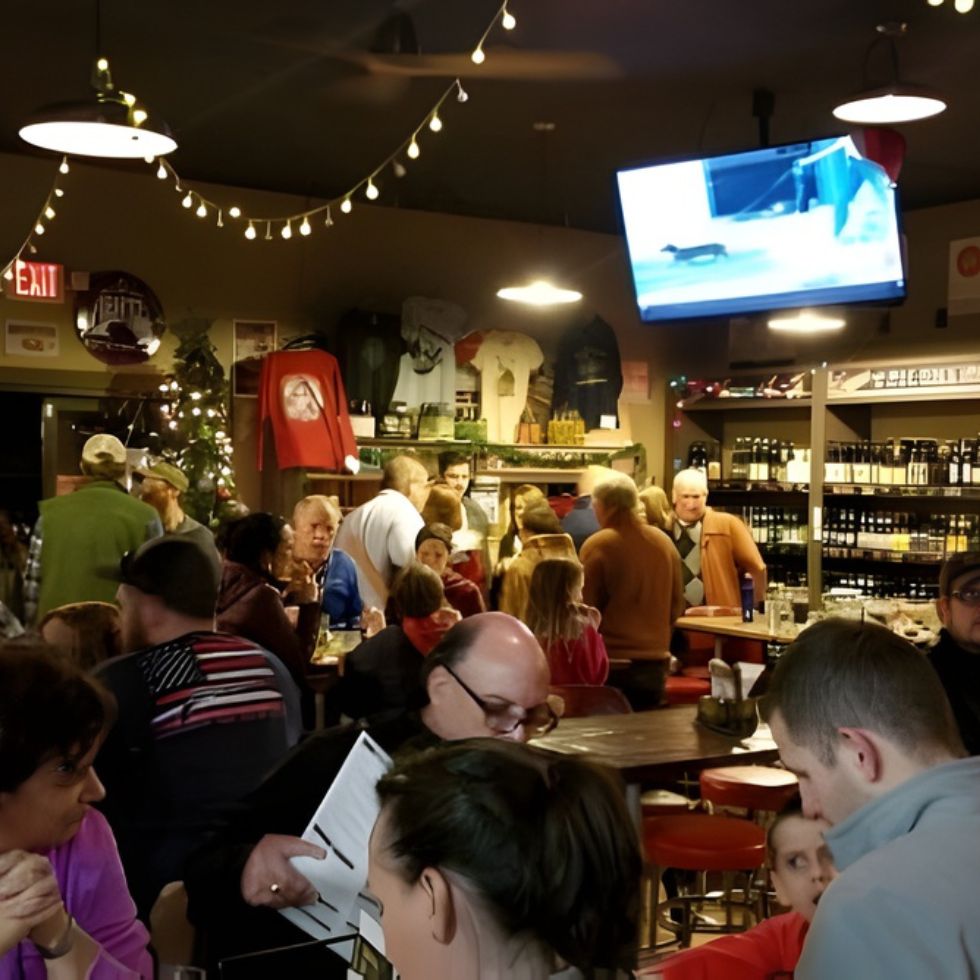
Galax After Dark: A Different Kind of Nightlife
It's a little after six on Main Street. Parking spaces fill as folks step out for dinner, and the workday gives way to conversation. Restaurant doors swing open and closed while couples and families claim their booths before closing time.

Galax Musical Legends, Part 1: Ernest Stoneman
Galax, Virginia, has earned its title as “The World Capital of Old-Time Mountain Music.” One name, however, stands as the…
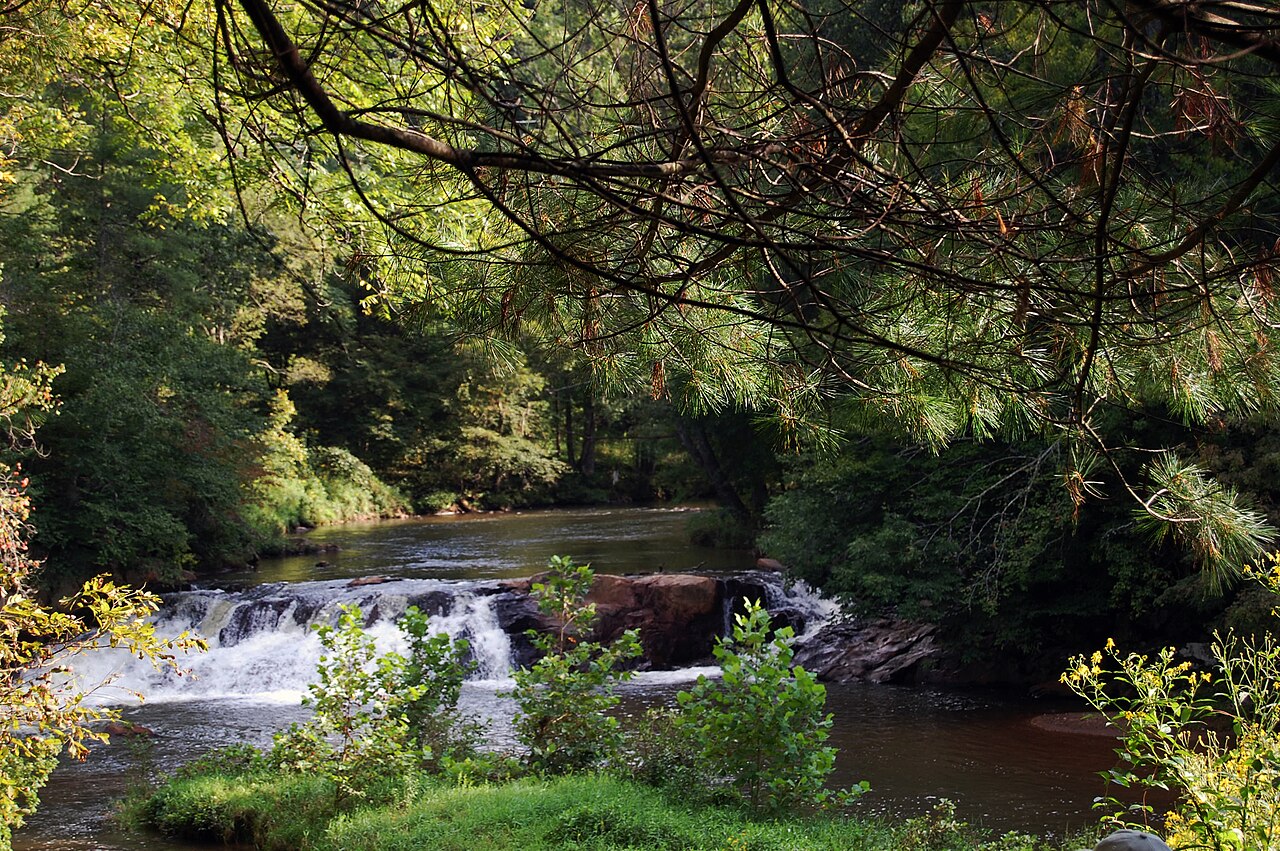
Blue Ridge Photography Weekend in Galax
Photographers walk through the same streets as everyone else, but they notice things most people miss. A cracked brick that…
Book Your Stay In Galax, VA!

#MountainMadeGalax
-
City of Galax Visitor's Center 110 East Grayson Street
Galax, Virginia 24333 -
Phone: (276) 238-8130
-
Email: info@visitgalax.com